Fly Control in Umm Al Quwain for Homes, Restaurants and Farms
Effective fly control starts at the source: waste, manure and organic residue. We inspect, find the breeding and resting places, then set a treatment plan with hygiene recommendations to reduce their return.
- Inspection of waste, drains and breeding sources
- Suitable treatment of the source and resting areas
- Tips on waste management and covering food
- Written quote with no absolute promises
Why do flies spread in some places?
Flies breed in damp organic material: food waste, rubbish, manure, droppings and dirty drains. In hot weather their life cycle speeds up, so a problem can appear suddenly after a few days of neglecting a single source.
Umm Al Quwain has a mix of homes, restaurants, farms, livestock, industrial areas and fish markets, all of which can offer attractants and breeding sources. That is why spraying the air alone does not work; we need to know the source.
We do not promise to eliminate flies for good, because they can come from neighbouring sites. We provide a plan that reduces numbers and limits breeding, and we explain the limits.
Places we check
We look for the source before any treatment.
Waste bins
Open or dirty bins and waste collection points.
Kitchens and food areas
Food residue, spilled liquids and spaces behind appliances.
Drains and sewers
Floor drains and dirty gullies where organic matter builds up.
Livestock pens and farms
Manure, wet feed and food residue.
Storage and loading areas
Shipping yards and product sorting areas.
Markets, abattoirs and cold stores
Food-handling areas and their waste need a regular programme.
Flies bothering you or hurting your business?
Send photos of the site or the suspected source and we will reply with a written quote.
Signs that call for action
If you notice the following, ask for an inspection:
- Large numbers of flies near waste or in the kitchen.
- Small white larvae in bins or drains.
- Small dark specks on walls and ceilings (fly spotting).
- A foul smell near drains or bins.
- Flies clustering at windows.
- Complaints from customers at a restaurant or shop.
Flies carry dirt and affect food safety, so we treat them as a problem needing early action, without claiming to cure any disease.
How we carry out fly control
From the source to the surrounding spaces.
Inspection
We identify breeding and resting places and how flies are getting in.
Adjust conditions
We recommend covering waste, cleaning drains and removing organic build-up.
Treat breeding spots
We target the source with a method suited to the site.
Treat resting areas
We treat windows, walls and ceilings where flies settle, when needed.
Safety instructions
We explain how to protect food, utensils, children and pets before and after the work.
Follow-up
We set a visit or regular programme according to activity.
By type of site
In homes: the kitchen, bins, drains and balconies. In restaurants and cafés: food areas, storerooms and waste points, in line with food safety requirements. On farms and in pens: manure, feed and standing water, which may need a wider plan and cooperation from the people in charge of cleaning.
In abattoirs, factories and food warehouses, a regular programme and higher standards are needed, and we agree scope and timing so operations are not disrupted.
Factors that decide the cost
We give a written quote and do not publish fixed figures:
- Type and size of the site.
- Number of fly sources and how hard they are to reach.
- Severity, duration and proximity to livestock or large waste.
- Number of visits and whether a regular programme is wanted.
- Operational needs such as working hours and food safety.
- Cooperation of the people responsible for waste and cleaning on site.
Photos of the suspected source help us give a preliminary estimate.
Hygiene that reduces flies
Close bins and empty them regularly, and clean them inside. Wipe up spills at once and clean drains. Cover food and pet bowls after use. On farms, remove manure regularly and dry wet areas.
These steps cut numbers noticeably and make treatment more effective.
Flies bothering you or hurting your business?
Send photos of the site or the suspected source and we will reply with a written quote.
Common mistakes
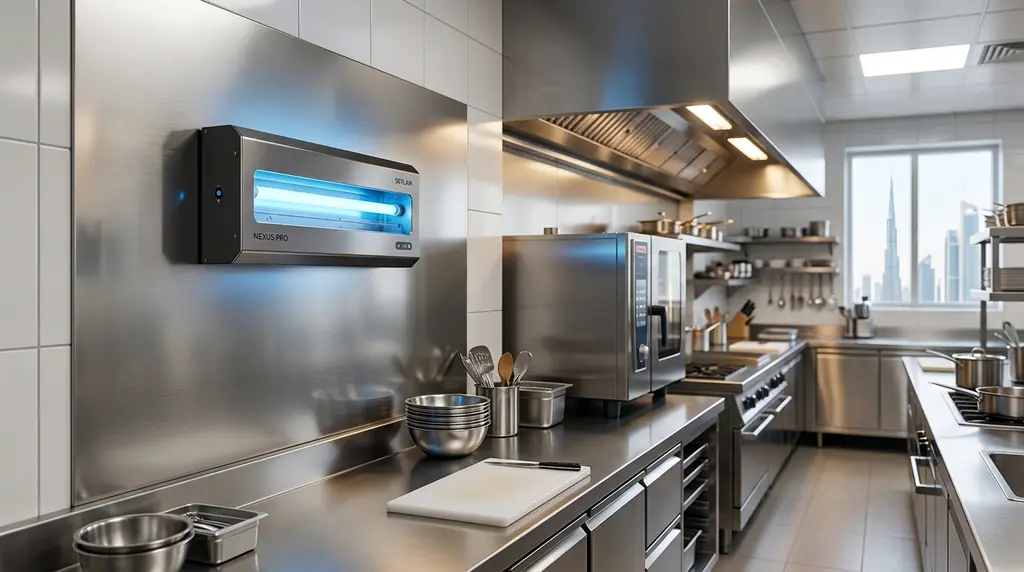
Relying on spraying flying flies alone without removing the source gives only short relief. Others include leaving waste open or piled up, neglecting drains, and spraying near food without protection. In restaurants, relying on light traps alone without managing hygiene is another.
We recommend a plan that combines treatment with changing the conditions.
After the service
Follow the ventilation instructions and avoid touching treated surfaces for the period we state. Keep up waste management and cleaning, monitor the site and tell us about any new gathering. We do not promise flies will never return since they can come from nearby sites, but combining treatment with hygiene clearly eases the problem.
Fly control in Umm Al Quwain: common questions
Will the flies disappear for good?
Do you serve farms and pens?
Is the treatment safe around food?
How much does it cost?
Why do flies come back quickly?
Is there a regular programme?
Do we need to vacate?
Do you treat mosquitoes as well?
We inspect and give you a written quote
Send photos of the site or suspected source and we will outline the plan and follow-up.