Rodent Proofing in the UAE
Removing rats and mice is not enough if the entry points stay open, because others will follow. Proofing is the preventive half of the solution: we inspect where rodents get in and recommend measures that reduce their return, and we are clear about what can and cannot be promised.
- Entry points checked outside and on the roof
- Recommendations for sealing gaps and repairs
- Suitable for homes, restaurants and warehouses
- Written quote
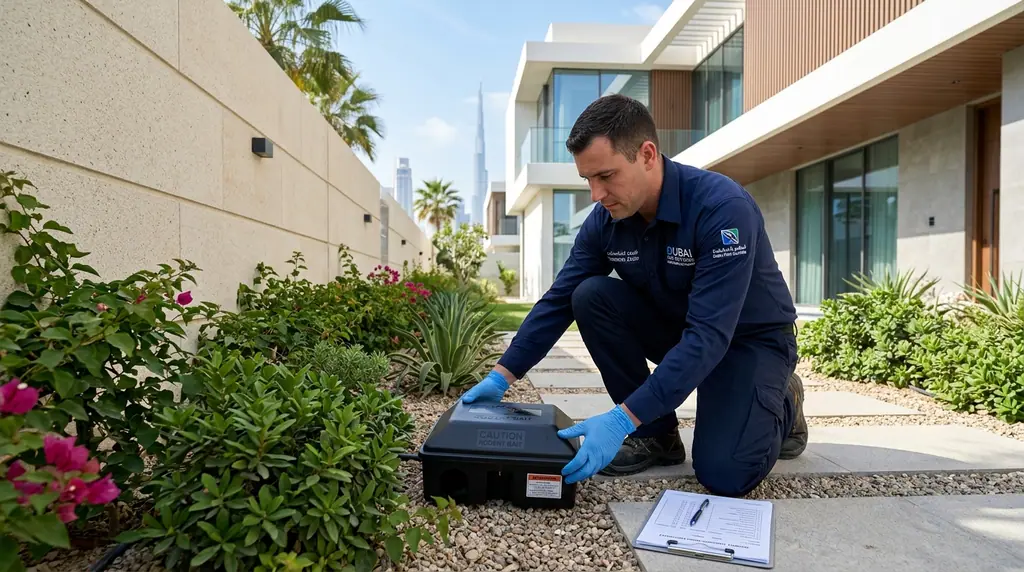
Why proofing is essential to rodent control
A mouse can squeeze through a very small gap and a rat will gnaw materials to widen its way in. If we treat what is there but leave the entrances open, new rodents may come back for the same food, warmth and shelter.
That is why we treat sealing and prevention as a complement to traps or baits, not a replacement. It also depends on how the building is made: some gaps are easy to close, others need maintenance work or the landlord's permission.
The most common entry points
We start with the places rodents usually enter UAE buildings:
Pipe and cable openings
Around AC, drain and electrical lines passing through walls without a tight seal.
Under doors
Gaps under external doors, service entrances, stores and garages.
Vents and light wells
Damaged or wide grilles on vents, extractors and flues.
Roof and false ceilings
Cracks at roof edges and openings around water tanks and equipment access.
Drains and sewer lines
Entry via broken pipes, uncovered manholes or floor drains with no grate.
External walls and boundary
Climbing plants and nearby trees that bridge to the roof, and cracks at the wall base.
Recurring rodent problem?
Send photos of droppings or gaps on WhatsApp.
What the gap inspection covers
We check the building from outside to inside and from the ground up, looking for signs of activity and places of entry.
- Wall base, boundary wall, external doors and stores.
- Pipe, AC and cable openings inside and outside the building.
- Vent grilles, extractors and floor drains.
- Roof, false ceilings and the area around water tanks.
- Food storage and waste areas that attract rodents.
- Signs of activity such as droppings, grease marks, gnawing and nests.
Service stages
We deliver the solution in stages:
Describe the case
Tell us what you heard or saw and where; photos of droppings or gaps help.
Inspection
We examine the building to locate entry points and activity.
Gap report
We explain where the gaps are, what needs sealing and what the owner or maintenance can do.
Treat current activity
We deal with existing rodents using methods suited to the site and kept away from children and pets.
Seal and repair
We recommend suitable sealing materials or coordinate with maintenance as agreed.
Follow-up
We review after some time whether activity continues and adjust the plan.
By building type
Villas have more entry points: roof, garden, stores and garage. In apartments they cluster around pipe openings, kitchens and service entrances, and rodents can move between units. In restaurants and warehouses food sources are a strong factor, so discipline in storage and waste becomes part of the solution.
Older buildings have more gaps and aging pipes, while newer ones may have openings not properly closed after fit-out. The inspection, not the building type alone, determines the solution.
What affects cost?
We do not give a fixed figure before inspecting. The factors:
- Building size, number of gaps and how hard they are to reach.
- Existing activity that needs treatment before sealing.
- Sealing materials needed and whether we or maintenance do the work.
- Need for follow-up and inspection visits.
- Type of premises: home, restaurant or warehouse.
We give a written quote after the inspection that shows what the price includes.
How to prepare the building before inspection
Clear access to stores, the roof, ceilings and kitchen, and keep food in tightly sealed containers. Take out the waste before the visit and tell us about any noises or droppings you noticed and where.
If you have children or pets, tell us so we choose a suitable method. For general preparation see our page on preparing your home for pest control.
Common mistakes
- Placing poison baits where children or pets can reach them.
- Sealing one hole and ignoring the other entry points.
- Using sponge or paper to fill gaps, which rodents chew through easily.
- Leaving food and waste exposed after treatment.
- Letting climbing plants and trees touch the roof and walls.
- Assuming removing the current rodents is enough without sealing.
Recurring rodent problem?
Send photos of droppings or gaps on WhatsApp.
Keeping the result after sealing
Keep storing food in closed containers, take waste out regularly, keep gardens tidy and check for new openings after maintenance work. Watch for new signs and tell us early.
We cannot guarantee rodents will never get in because buildings change and surroundings are beyond control, but good sealing and cleanliness reduce the chance greatly.
When should you call us?
If you hear scratching in the ceiling at night, find small black droppings in a store or kitchen, or see chewed wires or bags, do not wait. Send a photo of the area on WhatsApp and we will decide the next step.
Rodent proofing: frequently asked questions
Does proofing replace pest control?
Do you carry out the sealing yourselves?
Will rodents come back after sealing?
Are baits safe for children and pets?
How long does an inspection take?
Do you work with restaurants and warehouses?
Do I need to leave the building?
How do I get a quote?
Close the door on rodents
Send a description and photos on WhatsApp and we will arrange a suitable inspection.