Fly Control in Dubai for Restaurants, Apartments and Garden Villas
Dubai packs commercial kitchens, shared bin rooms and landscaped villas into one warm climate, so spraying the air rarely holds. We inspect drains, waste areas, soil and entrances, identify the fly, and plan a follow-up check.
- Inspection of bin rooms, floor drains and food storage before any treatment
- Species identified first: house flies, fruit flies, drain flies or blow flies
- A plan shaped for a commercial kitchen, a tower apartment or a garden villa
- Products suited to residential and commercial use, applied to label directions, with follow-up where needed
Inspect Before Treating
We look for where flies breed first, because treating only the adults rarely lasts
Species Identification
Each fly breeds somewhere different and needs its own approach, and we explain what we found
Food and Family Precautions
We mark what must be covered or cleared and explain the waiting period on the label
Result Review
We review the situation with you before leaving and arrange a return visit if the case calls for it
Why Flies Keep Coming Back in Dubai Even When the Place Looks Clean
Flies stay active in Dubai most of the year because warmth speeds up their life cycle from egg to maggot to adult, and a small patch of damp organic matter is enough to start it. The source might be a trash bag left overnight in a service corridor, a film of grease inside a kitchen floor drain, fermenting fruit behind a refrigerator, pet waste in a garden bed, or scraps in an uncovered bin. Flies carry germs on their feet and mouthparts, so seeing them near food is a hygiene and reputation issue, especially for food businesses.
In warm conditions a house fly can complete its life cycle in about a week, so a short lapse in housekeeping can produce a new generation
Fruit flies and drain flies are smaller and breed inside the kitchen, so they need a different approach from larger flies
Lasting control comes from source reduction plus treatment of resting spots and entry points, not from spraying alone
The Fly Types We Meet Across Dubai
Naming the fly is the first decision in the plan, because each species breeds somewhere different:
House Flies
The most common fly around dumpsters, open kitchens and restaurant terraces, breeding in organic waste, manure and damp food residue.
Fruit Flies
Tiny flies around ripe fruit, juice containers and unrinsed recycling. They multiply fast in kitchens, cafes and juice bars.
Drain Flies
Small, fuzzy-winged flies that breed in the slimy film inside floor drains, grease traps and rarely scrubbed pipes.
Blow Flies and Flesh Flies
Larger, shiny flies drawn to meat, fish and open garbage, often seen near cold rooms and loading lanes.
Garden and Manure Flies
Found at villas near composted soil, pet waste and damp leaf piles, then carried indoors through patio doors.
Want us to price this for you now?
Send us the size and location and we will reply with a clear quote before any commitment.
Signs That the Source Is Close By
These clues help you narrow down the problem before the technician arrives:
1Clusters Near Lights and Windows in the Evening
Flies are drawn to warm surfaces and light, so a crowd around lamps and glass frames suggests an indoor source or one just outside the entrance.
2Small Dark Specks on Walls and Ceilings
Tiny black or brown dots are fly droppings. They collect where flies rest most, such as ceiling corners and around bulbs.
3Pale Maggots in Bins or Drains
Small white larvae at the bottom of a bin or inside a drain mean breeding is happening right there, and the adults are only the visible part.
4Flies Returning Within Days of Cleaning or Spraying
Fast returns usually mean a missed source, such as an indoor drain or a shared bin that belongs to the building rather than your unit.
Where Flies Breed and Rest in Dubai Buildings
The technician starts with these places because they come up most often in restaurants, towers and villas:
Bin Rooms and Waste Chutes in Residential Towers
Leaked liquids and split bags collect here. The room often belongs to the whole building, so we report findings to management.
Floor Drains and Grease Traps in Commercial Kitchens
The sticky film inside a drain suits drain flies and fruit flies, and neither air spraying nor a surface rinse removes it.
Street Bins and Service Lanes Behind Restaurants
An open dumpster in summer is a daily supply of house flies and blow flies, often outside the shop boundary but still affecting the shop.
Garden Beds, Fertilized Soil and Compost Corners
Organic fertilizer, pet droppings and damp leaf piles near irrigation lines are common sources at villas.
Why a Supermarket Spray Does Not Settle a Fly Problem
Household sprays knock down what they hit in the air and leave the real cause in place:
Air Spraying Never Reaches the Maggots
Larvae live inside the waste or the drain, so the next generation is ready even if every adult in the room drops.
Spraying Near Food Creates a New Problem
An aerosol over prep surfaces without covering or clearing first can leave residues you did not want, so our work follows product directions in an agreed order.
Ignoring Bins and Drains Outside Your Unit
Flies can come from a street bin or the building waste room, and without coordination with management they keep returning.
Using the Wrong Method for the Species
What helps with house flies does little for drain flies, so relying on one product treats only one of the two cases.
How Nojoom Al Azm Handles Fly Control in Dubai
Six steps in order, which may be shortened or extended depending on the site and the fly involved:
Listen, Then Inspect
We ask when and where flies appear, then walk through the kitchen, drains, waste area, balconies, garden and storage.
Explain the Scope Before Starting
We state what we will treat, what stays with the business or management, and what needs covering, then wait for your approval.
Treat the Breeding Sources
Drains, bins and damp spots where larvae were found are treated in a way that suits each, and we say which also need physical scrubbing because a product cannot replace it.
Treat Resting Spots and Entrances
We target surfaces flies actually land on, such as ceiling corners, shaded walls and door frames, instead of spraying an entire room.
Reduce What Attracts Them
We go over trash timing, covered food, drain brushing, door seals and screens with you, and mark what can be done today.
Review and Follow Up
We go through the work with you before leaving, then arrange a follow-up visit if needed to check numbers, drains and bins.
What to Prepare Before the Technician Arrives
A little preparation saves time and makes the inspection more accurate:
- Take out the trash before the appointment, but leave the bins where they normally sit so the technician sees them as they are.
- Cover food and prep equipment or move them to a closed room. In a restaurant, agree any cleared prep area with the supervisor in advance.
- Please do not pour strong cleaners down the drains beforehand, since that can hide larvae the technician needs to see.
- In a tower, book the service lift and get an access permit if management requires one. That is the customer’s or management’s task.
- Keep children and pets away from work areas, and cover fish tanks and switch off air pumps briefly if asked.
After Treatment: What Helps Numbers Stay Low
What you do in the first week has a real effect on the result:
- Follow the waiting period the technician gives before returning to treated areas, and wash food-contact surfaces as directed.
- If asked to leave residue in place, do not scrub ceiling corners or treated walls right away, because the product works on the surface.
- You may still see a few flies for several days, often adults still emerging from pupae, and numbers should fall gradually.
- Take trash out daily, close bin lids tightly and rinse the bin itself now and then.
- Call us if a new source appears or flies increase after a week so we can arrange a follow-up visit.
A question before you book?
Message us on WhatsApp with your situation and we will suggest the best option, no obligation.
Fly Control by Property Type in Dubai
One plan does not fit every site, so here is what we focus on in each:
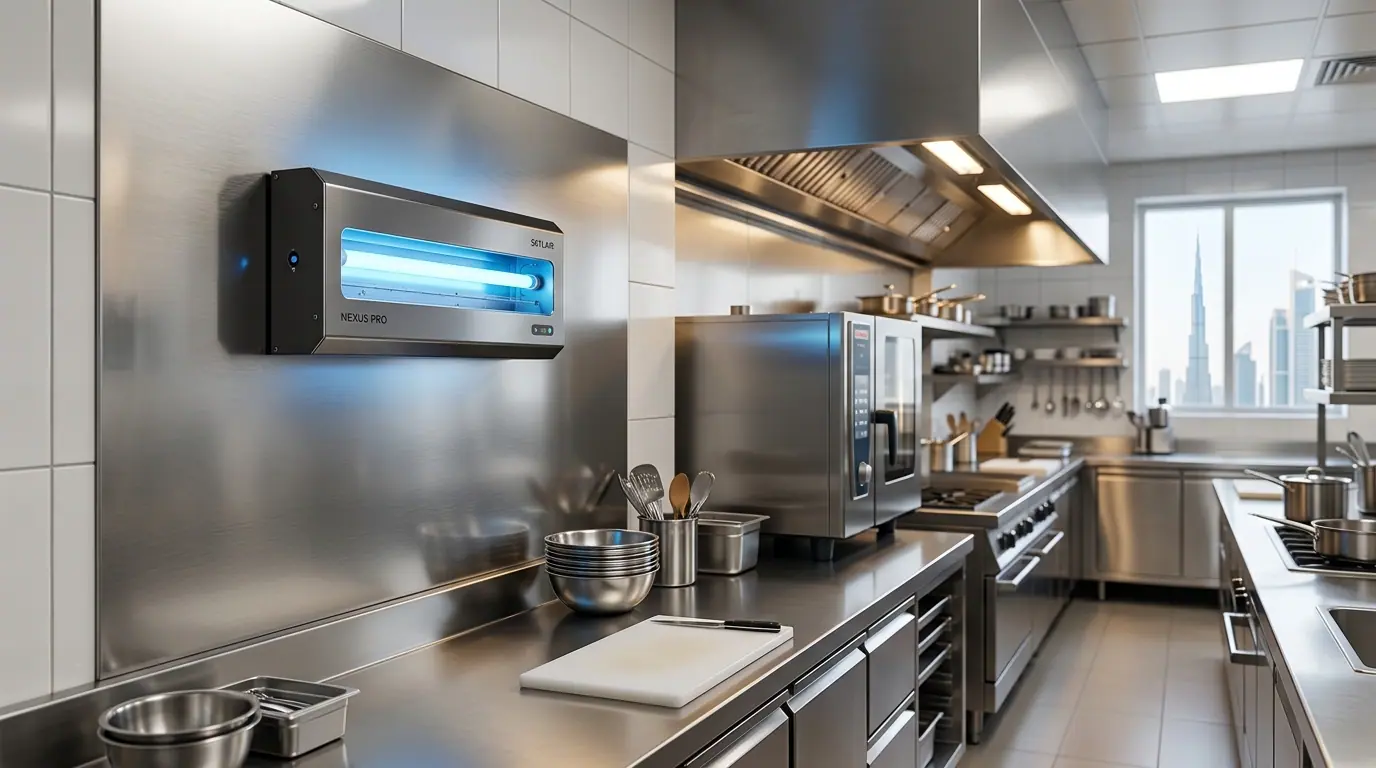
Check drains, grease traps, the bin room and the back entrance, then treat resting spots and judge whether light traps fit.
Inspect fertilizer, pet waste, leaf piles and the barbecue area, treat sources in place, then tighten up patio doors.
Inspect the kitchen, bathroom, balcony and floor drains, and work out whether the source is inside the unit or in the chute and bin room.
The Nojoom Al Azm Plan vs Random Spraying
| Criterion | Nojoom Al Azm Plan | Random Household Spraying |
|---|---|---|
| Focus | We work from the source to resting spots to entry points, and explain why to the owner | Targets only the visible flying flies |
| Species Identification | We tell house flies, fruit flies and drain flies apart and treat each in the way that suits it | Treats every fly the same way |
| Food and Children | We set out what is covered or cleared and explain the label waiting period | Surfaces or air near food may be sprayed with no plan |
| Follow-Up | We review the outcome and arrange a return visit when needed | One spray, then waiting to see if flies return |
What Affects the Cost of Fly Control
We confirm the quote after the inspection because fly problems differ so much from one site to another:
Type and Size of the Premises
A restaurant with a kitchen, store and outdoor seating needs different time and materials than an apartment with one balcony.
Fly Species and Breeding Location
Drain flies call for targeted source treatment, while house flies tied to outside bins may call for wider coordination.
Access, Building Rules and Follow-Up Visits
A locked waste room or a service-lift wait changes visit length, and food businesses usually need routine follow-up.
Indicative Pricing Estimate
We do not quote a fixed figure before inspection. After we know the species, sources and scope, you receive a clear written offer.
The offer sets out what the inspection, treatment and agreed follow-up visits include and what remains with the business, with no undisclosed fees.
Daily Habits That Cut Flies at Home or in the Restaurant
Take Trash Out Daily in Tied Bags
Do not leave a kitchen bag overnight, especially in summer, and tie it before it goes into the shared bin.
Rinse the Bin Itself Now and Then
Juice from past loads stays at the bottom after emptying and keeps drawing flies the next day.
Cover Fruit and Pick Up Pet Waste
Ripe uncovered fruit and garden droppings pull in flies quickly, so cover one and remove the other daily.
Keep Glass Doors Closed Behind You
Intact balcony screens and doors that close on their own cut down on flies that come in with traffic.
Flies at Your Restaurant or Home in Dubai? Start with an Inspection
Tell us the property type, where the flies appear and when. The Nojoom Al Azm team will arrange an inspection and explain the source, the plan and the scope before any work begins.
Everything you need to know about this service
We ask where the flies appear, roughly what kind they are and when they show up, then arrange an inspection. We do not spray before we know the breeding source, because the right treatment differs between a restaurant, a drain, a home kitchen and a garden.
We prefer quiet periods agreed with the supervisor, since some work needs food covered and a prep area cleared. Inspection can often go ahead without stopping service, and the visit shows what else can safely be done during opening hours and what should wait until closing.
They hover around the drain or sink, look smaller than a house fly and fly slowly in short zigzags. The technician confirms it by checking inside the drain and placing a monitoring strip nearby, then chooses the treatment, usually alongside advice to scrub the pipe with a brush.
We use products suited to residential use, follow label directions, and tell you which areas to keep children and pets away from for a while. Please mention any infant, fish tank or birds at home before work starts so the plan can allow for them.
There is usually a source that normal cleaning misses, such as a floor drain, a shared bin or residue behind the refrigerator. We look for these and tell you plainly what you can handle yourself and what needs building management or the bin owner.
They help with monitoring and reducing adults, and suit kitchens and back entrances away from prep surfaces, but they do not replace treating the breeding source. We judge whether you need one, and where it would sit, from your kitchen layout and airflow, and say so if it would not help.
We will say so plainly after the inspection. We treat what is inside your unit and recommend reporting the shared room to management, since fixing it takes cooperation between management, owners and residents, and one unit cannot solve a source shared by the whole building.
It depends on the size of the site and the number of drains and bins. We commonly arrange a follow-up visit to check numbers and sources, and we agree the number of visits with you in advance, adjusting the plan if a new source turns up.
Related Pest Management Services
Fly control across the UAE
The parent guide to fly types and control methods nationwide
Pest control in Dubai
Other household and commercial pest services in the emirate
Cleaning services in Dubai
The Dubai cleaning hub, including deep cleaning for kitchens
Cockroach control in Dubai
A pest that often shares restaurant kitchens with flies
Rodent control in Dubai
Useful when waste and service rooms bring in both pests
Kitchen and Drain Cleaning After Fly Treatment
Removing grease and residue from drains and behind appliances helps keep flies away once treatment is done. See our deep cleaning service in Dubai.
Related pages
More in Dubai
- Ant control in Dubai
- Bed bug control in Dubai
- Cockroach control in Dubai
- Mosquito control in Dubai
- Rodent control in Dubai
- Termite control in Dubai
- Apartment cleaning in Dubai
- Carpet cleaning in Dubai
- Cleaning & pest control in Al Barsha
- Cleaning & pest control in Arabian Ranches
- Cleaning & pest control in Business Bay
- Cleaning & pest control in Deira